This change in policy demonstrates how leaders have to balance the public’s desire to return to normalcy (e.g. more students in-person) with the ever-present dangers of COVID-19 (e.g. the possibility of mass transmission of the virus).
While many people do have pictures of their COVID-19 vaccination cards on their phones just in case, there has been an alarming rise of the production of illegal, fake vaccination cards for people who do not believe in getting a vaccine, or even COVID-19 itself.
Among the three vaccine providers, both Pfizer and Moderna utilized a brand new form of technology known as mRNA vaccines, while J&J opted to develop a traditional viral vector vaccine.
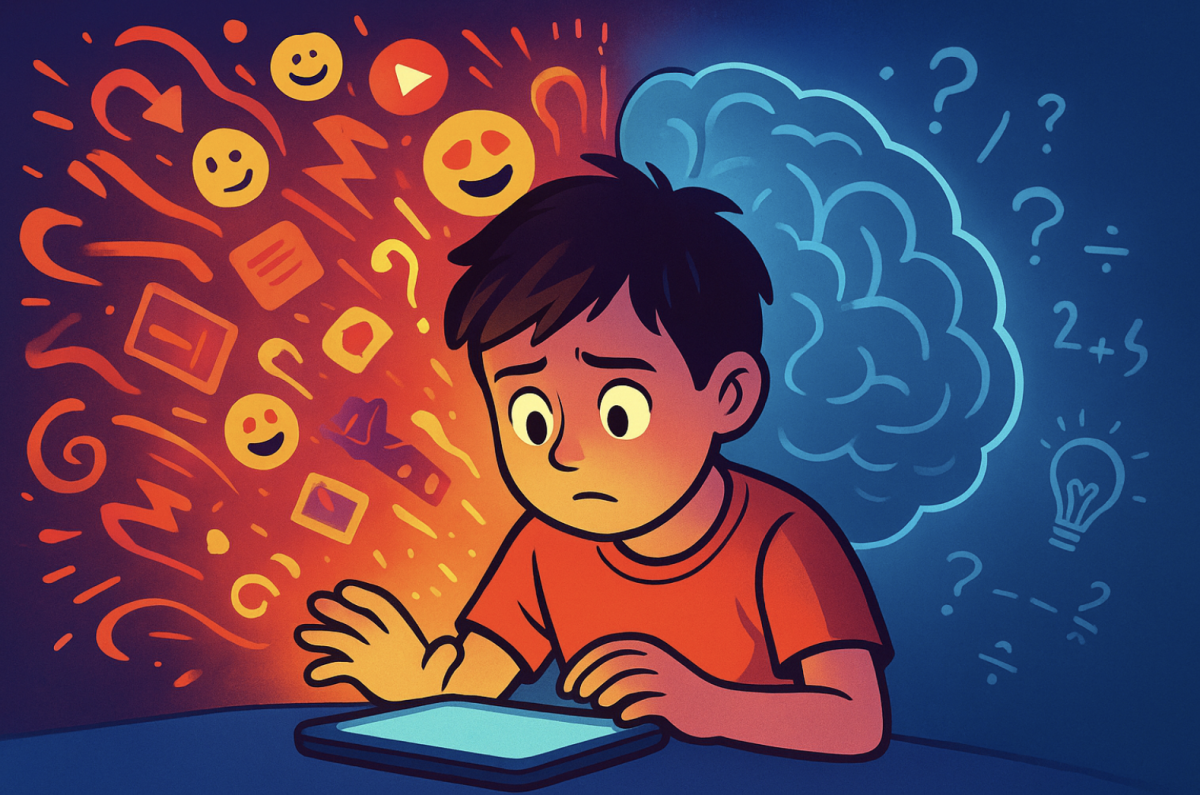
Amongst the lingering side effects of Covid-19, multiple patients have reported feeling fuzzy or foggy in thinking, now termed “brain fog.” In past non-pandemic years, brain fog has been studied as a compilation of symptoms from reduced cognition and an inability to concentrate to loss of memory.
It’s widely known that if a student living on-campus tested positive for the virus, they will be moved to a specially designated quarantine dorm. Other than that, not much else is known about what COVID-19 housing procedures look like.
After society gradually begins to return to “normal” and the most pertinent threats of this virus are neutralized, there will likely be many individuals seeking treatments for mental health disorders which either arose or worsened during the COVID-19 outbreak.
Zoonotic diseases, infectious diseases that exist naturally in an animal population and mutate to become viable in the human population upon close contact, have been the cause of history’s most impactful pandemics.